
RaiWay Featured in The Daily NNA: A Closer Look at Turning Food Residue into New Value
The Daily NNA Thailand Edition (Kyodo News Group), in its August 20, 2026 issue, published a feature article on RaiWay, a food-residue upcycling platform led by YN2-TECH (Thailand). The article highlights how RaiWay combines Japanese technologies to turn food processing residue — previously discarded at a cost — into a new source of value. RaiWay […]
The Daily NNA Thailand Edition (Kyodo News Group), in its August 20, 2026 issue, published a feature article on RaiWay, a food-residue upcycling platform led by YN2-TECH (Thailand). The article highlights how RaiWay combines Japanese technologies to turn food processing residue — previously discarded at a cost — into a new source of value.
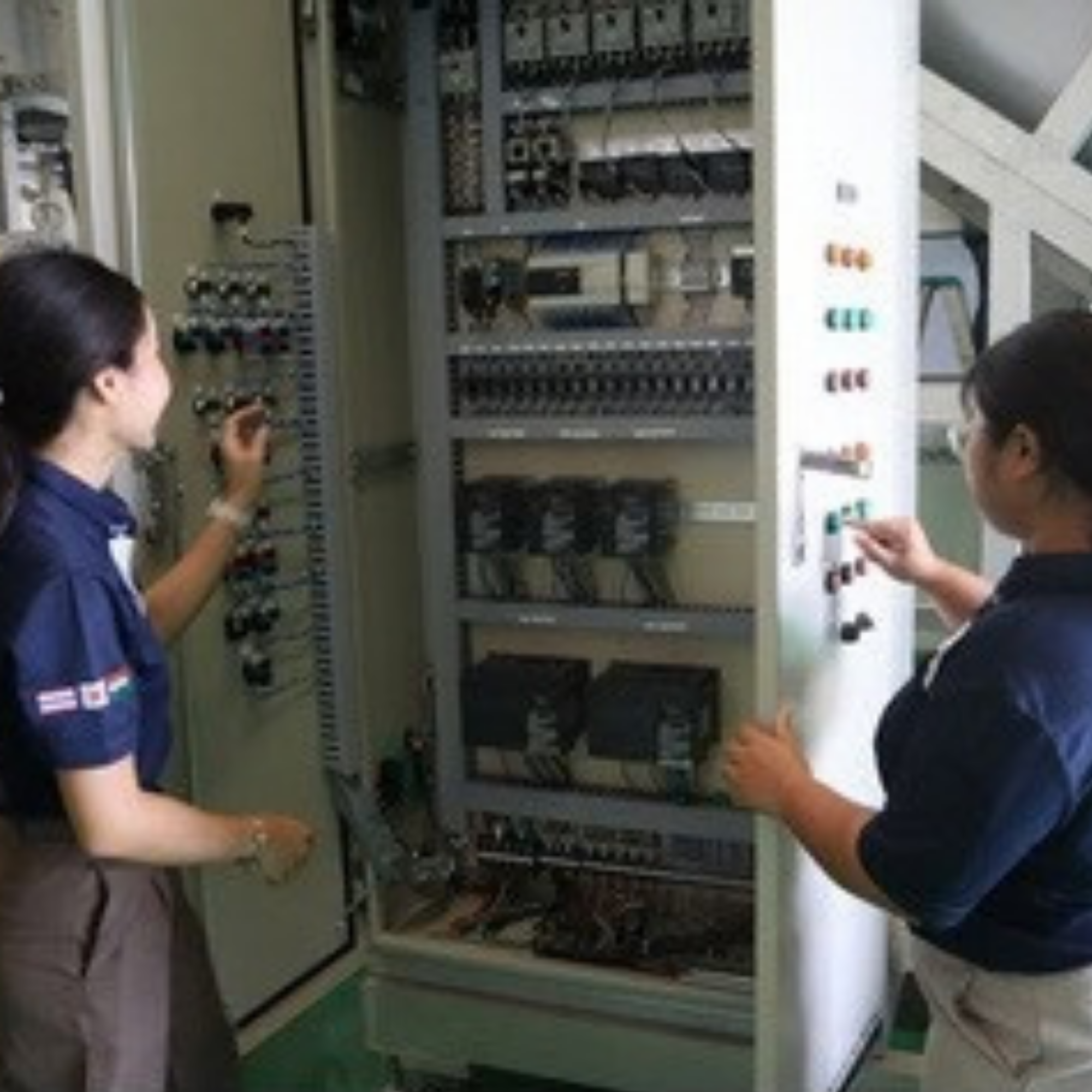
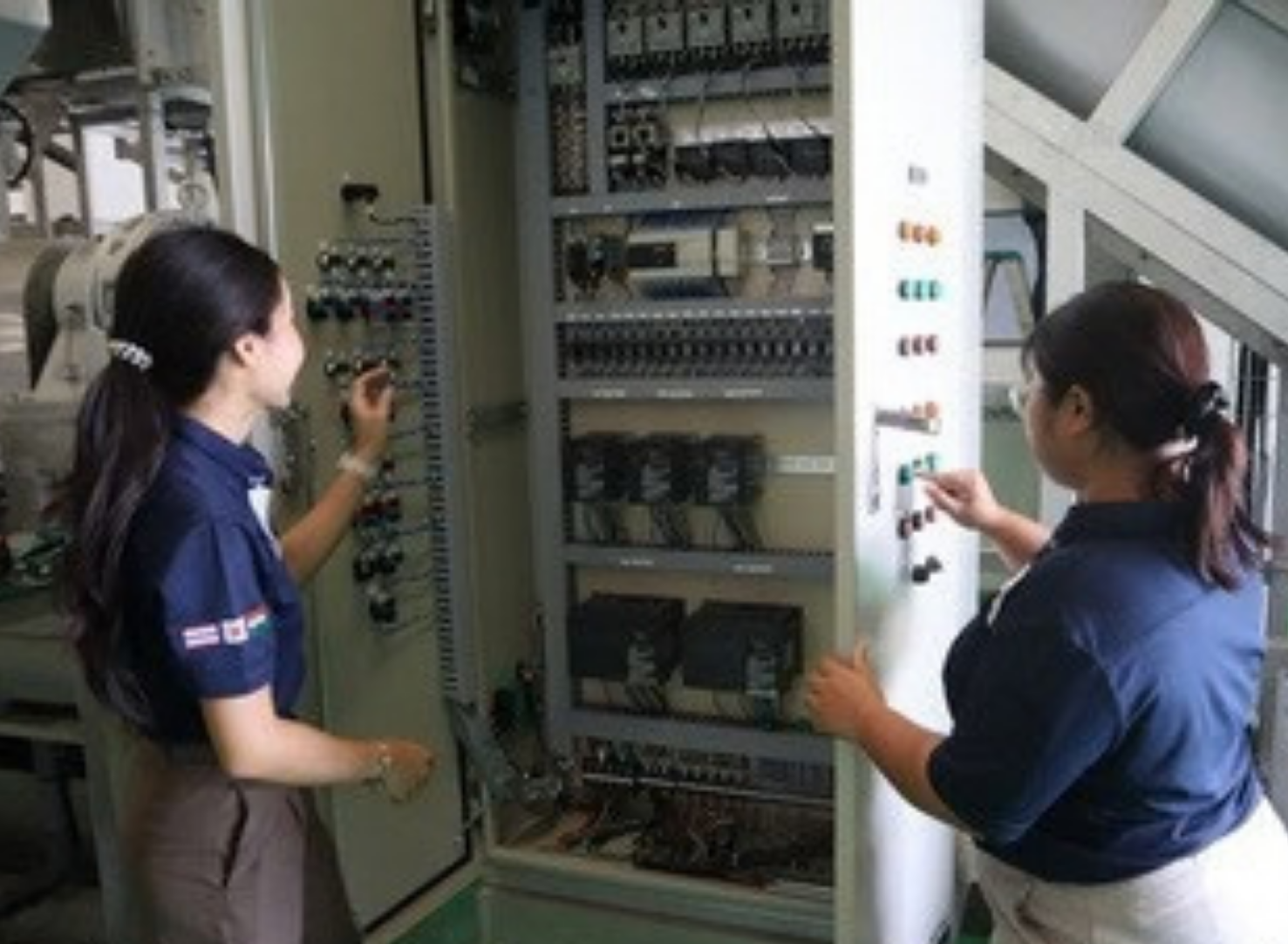
RaiWay is led by YN2-TECH (Thailand), the Thai subsidiary of Nakamura Kiko, a Shizuoka-based machinery and tools trading company. The project operates a demonstration site of approximately 900 square meters in Chachoengsao Province, and has been selected for Japan’s Ministry of Economy, Trade and Industry “Global South Future-Oriented Co-Creation Subsidy Program.” Since its demonstration factory began operating in December 2025, four specialist companies have each taken on a stage of the process: pressing by Kawaguchi Seiki (Shizuoka), concentration and powder-forming by Okawara Seisakusho (Haibara-gun, Shizuoka Prefecture), molding by KS-IN 3D (Thailand), and CO2 emissions visualization by Zeroboard (Tokyo).
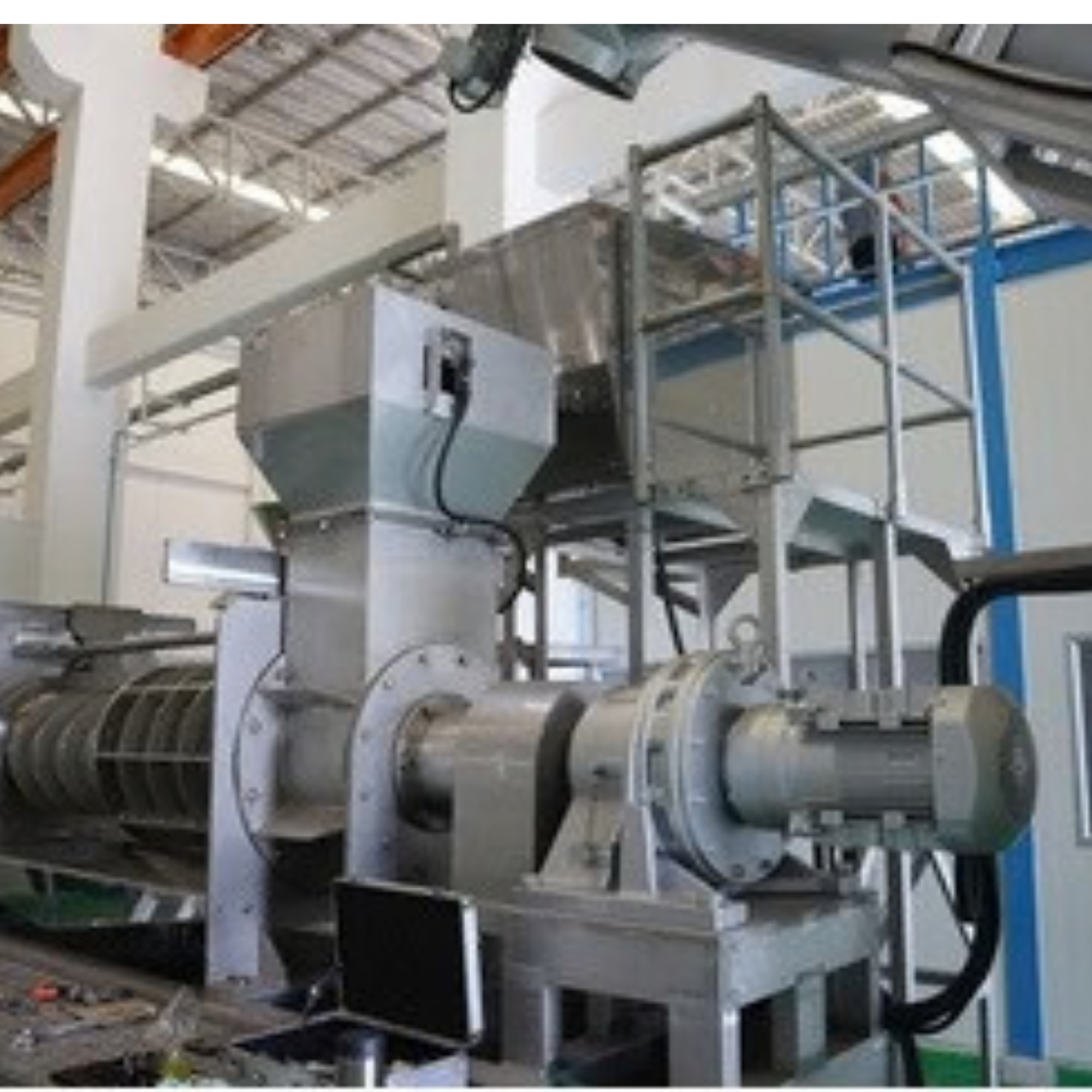
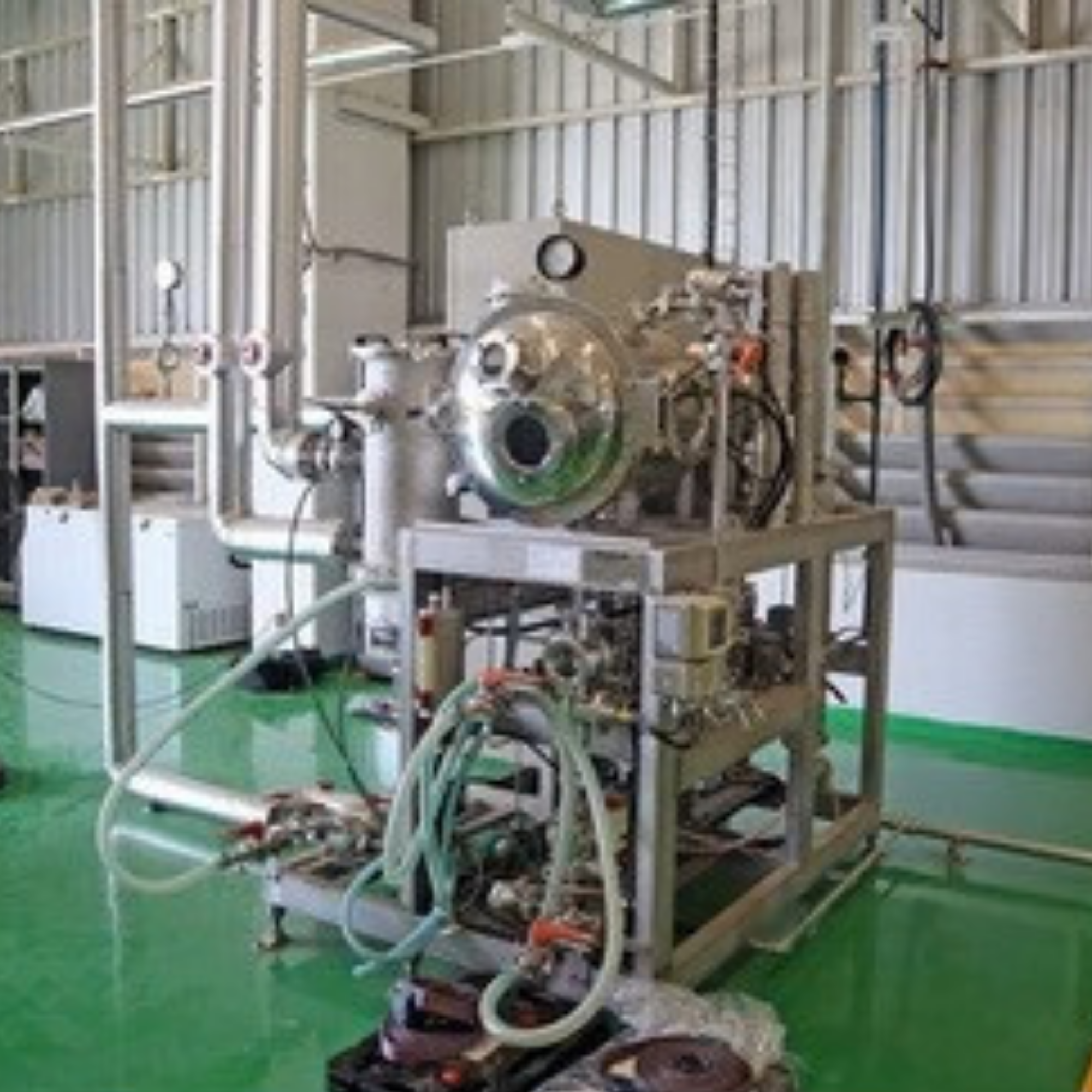
The feature also reported RaiWay’s first success: a bioplastic prototype made from pineapple residue. Juice extracted through pressing is concentrated, dried into powder, and blended with biodegradable PLA resin to produce filament, which is then 3D-printed into prototypes such as golf tees. About 400 kilograms of pineapple yields roughly 40 kilograms of powder, reducing weight to about one-tenth and improving transport and storage efficiency. According to the article, inquiries have been coming in from both Japanese and Thai food manufacturers interested in processing various residues, including cashew nuts, aloe, and seafood by-products.
RaiWay’s work extends beyond generating revenue. The article also described a trial at a large commercial complex in the eastern outskirts of Bangkok, where food residue from a food court was pressed and reduced to about one-fifth of its original volume. YN2-TECH President Ryota Nakamura was quoted in the article saying the aim is “to turn what used to be a disposal cost into new value.”
Looking ahead, RaiWay plans to keep refining its processes through further demonstrations and to expand collaboration with companies offering complementary processing technologies. President Nakamura added, “This isn’t something one company can do alone — we want this to be a place where value is created together.”